


Embark on a journey through the world of exterior siding installation, where the importance of proper techniques and materials can transform the look and durability of your home. From choosing the right siding material to mastering installation techniques, this guide covers it all.
Overview of Exterior Siding Installation
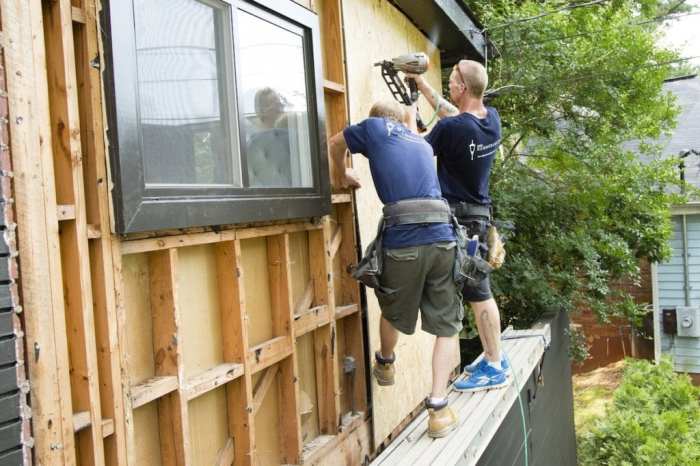
Installing exterior siding is a crucial aspect of maintaining and enhancing the appearance, durability, and energy efficiency of a building. Proper installation ensures protection against the elements, improves insulation, and adds aesthetic value to the property.
Types of Exterior Siding Materials
- Vinyl Siding: Affordable, low maintenance, and available in a wide range of colors and styles.
- Fiber Cement Siding: Durable, fire-resistant, and can mimic the look of wood or stucco.
- Wood Siding: Traditional and customizable, but requires regular maintenance to prevent rot and pest infestations.
- Brick Siding: Highly durable, low maintenance, and offers a timeless appearance.
- Stone Veneer: Provides a luxurious look with less weight and cost compared to natural stone.
Professional Installation vs. DIY Approaches
While some homeowners opt for DIY installation to save costs, hiring a professional for exterior siding installation offers several benefits:
- Expertise: Professionals have the skills and experience to ensure proper installation, preventing costly mistakes.
- Efficiency: Professionals work efficiently and can complete the installation in a timely manner.
- Warranty: Many professionals offer warranties on their work, providing peace of mind for homeowners.
- Safety: Working with professionals reduces the risk of accidents and injuries during the installation process.
Preparing for Installation
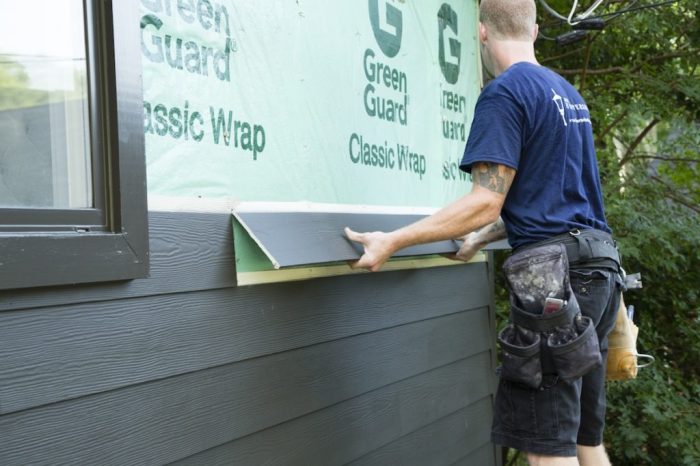
When getting ready for exterior siding installation, it is crucial to have the right tools and equipment on hand. Proper preparation of the building's exterior is also essential to ensure a smooth and successful installation process.
Tools and Equipment
- Siding Nailer: Used to secure the siding panels to the exterior of the building.
- Tape Measure: Essential for accurate measurements when cutting siding panels.
- Utility Knife: Needed for cutting and trimming siding panels to fit properly.
- Ladder: To reach higher areas of the building for installation.
- Level: Ensures that the siding panels are installed straight and level.
- Caulk Gun: Used to apply sealant around windows, doors, and other openings.
Preparing the Exterior
Before starting the installation, it is important to prepare the exterior of the building properly. This includes:
- Cleaning the Surface: Remove any dirt, debris, or peeling paint from the exterior walls.
- Repairing Damage: Fix any damaged areas, such as rot or cracks, to ensure a solid foundation for the siding.
- Weatherproofing: Install a weather-resistant barrier to protect the building from moisture and water damage.
- Priming: If necessary, prime the surface to ensure proper adhesion of the siding panels.
Assessing Existing Siding
If there is existing siding on the building, it is crucial to assess its condition before installation. This involves:
- Checking for Damage: Look for signs of rot, mold, or other damage that may affect the new siding.
- Evaluating Insulation: Determine if additional insulation is needed before installing new siding.
- Removing Old Siding: If the existing siding is in poor condition, it may need to be removed before installing new siding.
Choosing the Right Siding Material
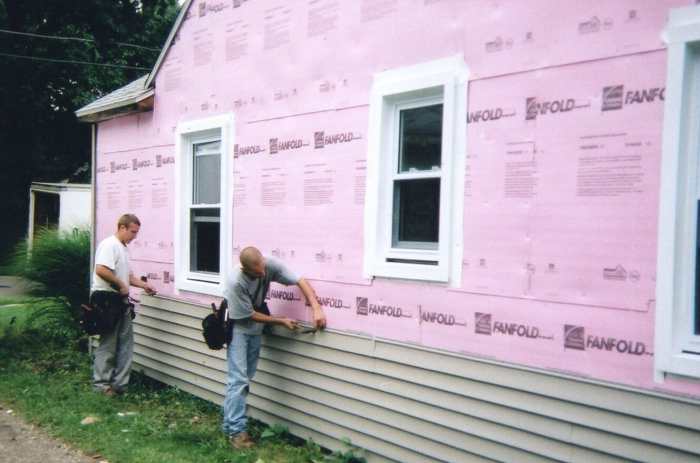
When it comes to selecting the right siding material for your project, there are several options available, each with its own unique features and benefits. Understanding the differences between vinyl, wood, fiber cement, and metal siding can help you make an informed decision based on factors such as durability, maintenance, aesthetics, and cost.
Vinyl Siding
Vinyl siding is a popular choice due to its affordability, low maintenance requirements, and versatility in terms of colors and styles. It is also durable and resistant to rot, mold, and insects. However, it may not offer the same level of insulation as other materials.
Wood Siding
Wood siding provides a natural and timeless look that can enhance the curb appeal of a home. It is also environmentally friendly and can be easily painted or stained to achieve different aesthetics. However, wood siding requires regular maintenance to prevent rot, warping, and insect damage.
Fiber Cement Siding
Fiber cement siding is a durable and low-maintenance option that offers excellent resistance to fire, rot, and insects. It can mimic the look of wood or masonry without the associated upkeep. While it may be more expensive upfront, it can be a cost-effective choice in the long run due to its longevity.
Metal Siding
Metal siding, such as steel or aluminum, is known for its strength, durability, and ability to withstand harsh weather conditions. It is also low maintenance and can be recycled at the end of its lifespan. However, metal siding may dent or scratch more easily than other materials.
Factors to Consider
- Climate and weather conditions in the area
- Budget constraints and long-term cost considerations
- Architectural style and design preferences
- Maintenance requirements and sustainability goals
Popular Siding Color Schemes and Finishes
| Architectural Style | Color Scheme | Finish |
|---|---|---|
| Modern | Neutral tones (e.g., grey, white, black) | Sleek and matte finish |
| Colonial | Earthy hues (e.g., brown, tan, red) | Textured or natural wood finish |
| Craftsman | Warm colors (e.g., olive green, rust, mustard) | Handcrafted or distressed finish |
Installation Techniques
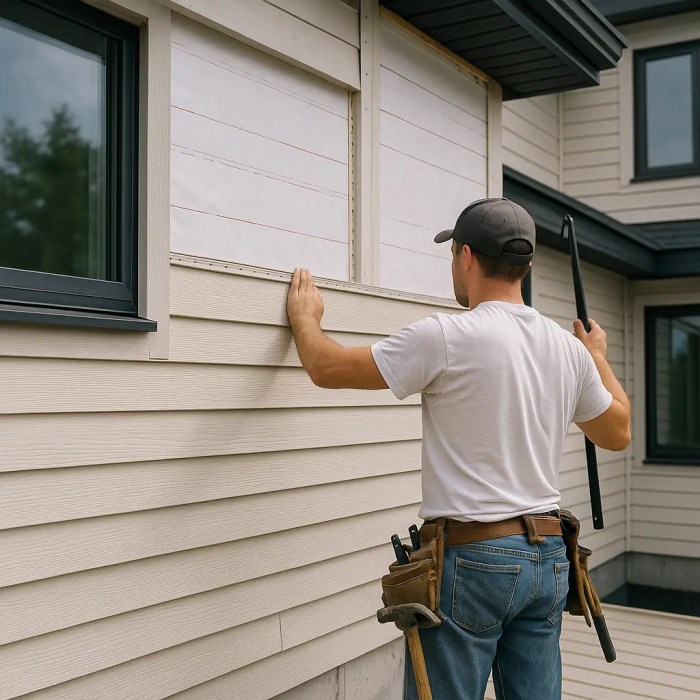
Installing exterior siding requires careful attention to detail and precision to ensure a professional finish that enhances the overall look of a home. Let's explore the step-by-step process of installing exterior siding, including corner pieces, trim, and other accessories. We will also discuss how to properly measure and cut siding material to ensure a precise fit, as well as best practices for handling challenges like uneven surfaces, obstacles, or architectural features.
Measuring and Cutting Siding Material
- Before cutting the siding material, measure the wall where the siding will be installed to determine the length needed.
- Use a chalk line to mark where the cuts need to be made, ensuring straight and accurate lines.
- When cutting the siding, use a circular saw or tin snips for precision cuts, following the marked lines carefully.
- Remember to account for any corner pieces, trim, or accessories that may affect the measurements and cuts.
Installing Corner Pieces, Trim, and Accessories
- Start by installing corner pieces at the edges of the walls to provide a finished look and protection against the elements.
- Secure corner pieces with nails or screws, making sure they are level and properly aligned with the siding.
- Next, install trim around windows, doors, and other openings to create a clean and polished appearance.
- Ensure that trim pieces are correctly measured and cut to fit snugly against the siding.
- Lastly, add any accessories such as vents or decorative elements according to the manufacturer's instructions.
Handling Challenges
- If you encounter uneven surfaces, use shims or additional framing to create a level base for the siding installation.
- Obstacles like electrical outlets or vents can be accommodated by carefully cutting around them and sealing any gaps with caulk.
- Architectural features such as gables or dormers may require special attention and custom cuts to ensure a seamless integration of the siding.
- Always follow manufacturer guidelines and local building codes when addressing challenges during the installation process.
Maintenance and Care
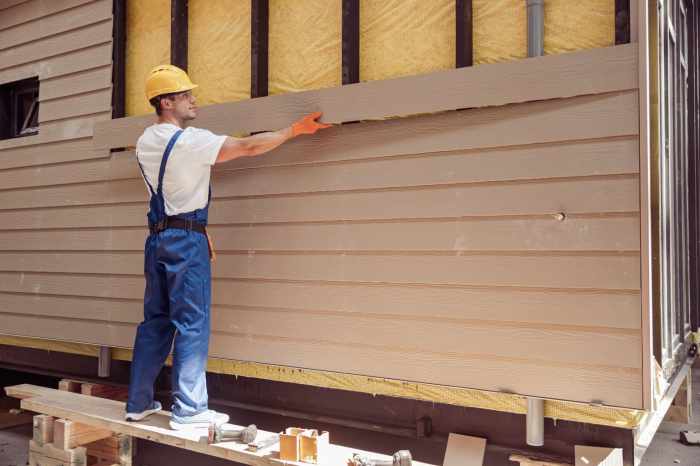
Maintaining and caring for your exterior siding is essential to ensure its longevity and keep your home looking its best. Regular upkeep can help prevent damage and costly repairs down the line.
Cleaning Different Types of Exterior Siding
- Vinyl Siding: Use a mixture of water and mild detergent to clean vinyl siding. Avoid using harsh chemicals or abrasive tools that can damage the surface.
- Wood Siding: Regularly wash wood siding with a gentle cleaner and water to remove dirt and grime. Apply a fresh coat of paint or stain every few years to protect the wood.
- Fiber Cement Siding: Clean fiber cement siding with a mixture of water and mild soap. Avoid using high-pressure washers that can cause damage to the siding.
- Aluminum Siding: Use a solution of water and vinegar to clean aluminum siding. Rinse thoroughly with clean water to prevent streaking.
Common Post-Installation Issues and Solutions
- Moisture Damage: Inspect your siding regularly for signs of moisture damage, such as rot or mold. Address any issues promptly to prevent further damage.
- Pest Infestation: Look for signs of pest infestation, such as holes or chew marks on the siding. Consult a professional exterminator to address the issue effectively.
- Color Fading: Over time, the color of your siding may fade due to exposure to the elements. Consider repainting or staining the siding to refresh its appearance.
Regular Inspections and Repairs
- Inspect your siding at least once a year for signs of damage or wear. Look for cracks, warping, or loose panels that may need repair.
- Address any repairs promptly to prevent further damage to the siding and underlying structure of your home.
- Consider hiring a professional to conduct a thorough inspection and maintenance check on your siding to ensure its longevity.
Conclusive Thoughts
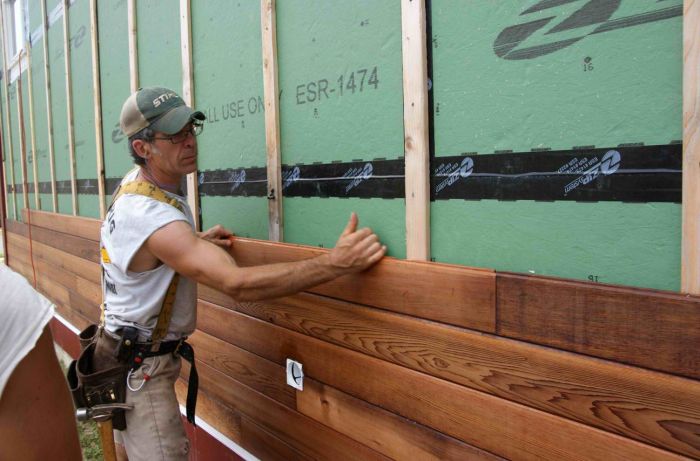
In conclusion, exterior siding installation is a crucial aspect of maintaining and enhancing the appearance of your home. By following the tips and techniques Artikeld in this guide, you can ensure a successful and long-lasting siding installation project.
FAQ
What are the benefits of professional exterior siding installation?
Professional installation ensures proper alignment, reduces the risk of errors, and often comes with warranties for added peace of mind.
How do I choose the right siding material for my project?
Consider factors like durability, maintenance requirements, cost, and aesthetic appeal when selecting the most suitable siding material.
What are some common issues that may occur post-siding installation?
Issues like warping, fading, or moisture damage can arise, but regular inspections and timely repairs can help mitigate these problems.
Is regular maintenance necessary for exterior siding?
Yes, regular cleaning and inspections are essential to prolong the lifespan of your siding and keep it looking its best.