


Delve into the world of siding contractors with a focus on finding the best in the business. From qualities that set them apart to the types of materials they offer, this guide offers a deep dive into the realm of siding installation.
Explore the steps involved in the installation process, pricing considerations, and essential tips for selecting the right contractor for your home.
Finding the Best Siding Contractors
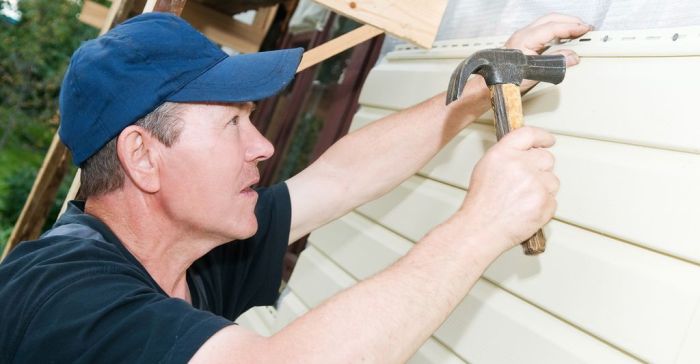
When it comes to finding the best siding contractors for your project, it's essential to do your research and ensure you're working with a reputable and reliable professional. Here are some key points to consider in your search:
Qualities that Make a Siding Contractor Stand Out
- Experience: Look for contractors with a proven track record in siding installation and repair.
- License and Insurance: Ensure the contractor is properly licensed and carries adequate insurance to protect you and your property.
- Quality of Work: Check for examples of their previous projects to gauge the quality of their workmanship.
- Communication: A good contractor should be responsive, clear in their communication, and able to address any concerns or questions you may have.
Identifying Reputable Siding Contractors in Your Area
- Ask for Recommendations: Seek referrals from friends, family, or neighbors who have had positive experiences with siding contractors.
- Check Online Reviews: Look for reviews on platforms like Google, Yelp, or Angie's List to get an idea of the contractor's reputation.
- Verify Credentials: Confirm that the contractor is properly licensed, bonded, and insured to protect yourself from liability.
Importance of Checking Reviews and References
- Reviews provide insight into the experiences of past clients and can help you gauge the contractor's reliability and professionalism.
- References allow you to speak directly with previous clients to get a firsthand account of the contractor's work ethic and quality of service.
- By checking reviews and references, you can make an informed decision when selecting a siding contractor for your project.
Types of Siding Offered
When it comes to choosing siding for your home, there are several options available, each with its own set of pros and cons. It's important to understand the different types of siding materials commonly offered by contractors so you can make an informed decision based on your needs and preferences.
Vinyl Siding
- Pros:
- Low maintenance
- Durable and long-lasting
- Affordable
- Cons:
- Can crack or fade over time
- Limited color options
Wood Siding
- Pros:
- Natural and beautiful appearance
- Eco-friendly
- Can be painted or stained
- Cons:
- Requires regular maintenance
- Prone to rotting, warping, and insect damage
Fiber Cement Siding
- Pros:
- Durable and long-lasting
- Resistant to fire, rot, and insects
- Low maintenance
- Cons:
- Higher initial cost
- Heavy and requires professional installation
Factors to Consider
- Climate: Choose a siding material that can withstand the weather conditions in your area.
- Budget: Consider the initial cost as well as long-term maintenance expenses.
- Curb Appeal: Select a siding material that enhances the look of your home.
- Maintenance: Determine how much time and effort you are willing to invest in maintaining your siding.
Siding Installation Process
When it comes to siding installation, there are several crucial steps that need to be followed to ensure a successful outcome. Proper preparation is key to a smooth installation process, and professional contractors are well-equipped to handle any challenges that may arise.
Importance of Proper Preparation
Before installing siding, it is essential to prepare the surface properly. This includes cleaning the area, removing any existing siding or debris, and making sure the surface is smooth and free of any damage. Proper preparation ensures that the siding will be installed securely and will last for years to come.
- Thoroughly clean the surface to remove dirt, dust, and debris.
- Repair any damage to the underlying structure to ensure a solid foundation for the siding.
- Apply a moisture barrier to protect against water damage.
- Measure and cut the siding materials accurately to ensure a proper fit.
Proper preparation is essential for a successful siding installation process.
Common Challenges and Solutions
During the siding installation process, there are common challenges that professional contractors may face. These challenges can include inclement weather, unexpected structural issues, or material defects. However, experienced contractors know how to address these challenges effectively to ensure a high-quality installation.
- Inclement Weather: Professional contractors monitor the weather forecast closely and schedule installations during optimal conditions to avoid any delays or damage.
- Structural Issues: If unexpected structural issues are discovered during the installation process, contractors have the expertise to address and resolve them promptly.
- Material Defects: In the rare event of material defects, professional contractors work with suppliers to replace any faulty materials and ensure a seamless installation.
Professional contractors have the knowledge and experience to overcome common challenges during the siding installation process.
Pricing and Budgeting

When it comes to siding installation, understanding the pricing and budgeting aspects is crucial to ensure a smooth and cost-effective project. Siding contractors typically price their services based on several factors, and knowing how to budget effectively can help you avoid unexpected costs along the way.
Factors Affecting Cost
- The type of siding material you choose: Different materials come at varying price points, with options like vinyl, wood, fiber cement, and metal affecting the overall cost of the project.
- Size and complexity of your home: Larger homes or those with intricate designs may require more materials and labor, impacting the total cost of installation.
- Additional services needed: Factors like removal of old siding, insulation installation, trim work, and permits can add to the overall cost of the project.
Tips for Effective Budgeting
- Get multiple quotes: Obtain estimates from several siding contractors to compare prices and services offered, ensuring you choose the best option for your budget.
- Consider long-term costs: While upfront prices are important, also think about the durability and maintenance requirements of different siding materials to make a cost-effective choice.
- Plan for unexpected expenses: Set aside a contingency fund for any unforeseen issues or additional costs that may arise during the siding installation process.
- Communicate openly with your contractor: Discuss your budget limitations and expectations upfront to avoid surprises and ensure a transparent working relationship.
Conclusive Thoughts
![The 10 Best Siding Contractors in Calgary [2024]](https://developer.obortimur.com/wp-content/uploads/2026/05/Best-Siding-Contractors-in-Edmonton-1.png "The 10 Best Siding Contractors in Calgary [2024]")
As we wrap up our exploration of siding contractors, it's clear that finding the best one is key to a successful home improvement project. Remember to consider all aspects discussed to make an informed decision that ensures quality results for your home.
FAQ Section
What qualities should I look for in a siding contractor?
Look for experience, positive reviews, proper licensing, and insurance coverage.
What are the common types of siding materials offered by contractors?
Contractors commonly offer vinyl, wood, fiber cement, and metal siding options.
How do siding contractors typically price their services?
Pricing can vary based on the type of material, the size of the project, and the contractor's experience.
What factors should I consider when choosing the best siding material for my home?
Consider durability, maintenance requirements, cost, and aesthetic appeal when selecting a siding material.
How can I effectively budget for a siding project?
Set a clear budget, get multiple quotes, and factor in potential additional costs for a well-planned siding project.