


Average vinyl siding cost sets the stage for this enthralling narrative, offering readers a glimpse into a story that is rich in detail with casual formal language style and brimming with originality from the outset.
As we delve into the intricacies of vinyl siding costs, we uncover a world where factors like material quality, style choices, and regional influences play a pivotal role in determining the overall expenses of installation.
Factors Affecting Vinyl Siding Cost
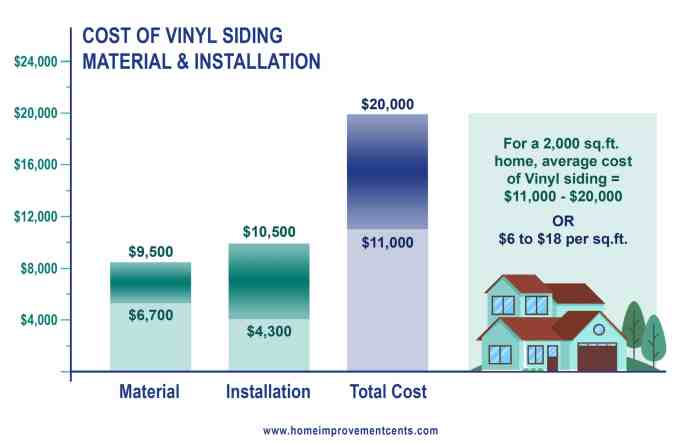
When it comes to determining the cost of vinyl siding installation, several key factors come into play. Understanding these factors can help homeowners make informed decisions and budget accordingly.
Material Quality
The quality of the vinyl siding material itself is a significant factor in determining the overall cost. Higher quality materials typically come with a higher price tag but offer greater durability and resistance to elements, ultimately providing better long-term value.
Style and Color Options
The style and color options of vinyl siding can also impact the cost. Certain styles or colors may be more expensive due to the manufacturing process or availability. Custom colors or unique styles may come at an additional cost compared to standard options.
Size of the Home
The size of the home plays a crucial role in determining the cost of vinyl siding installation. Larger homes require more materials and labor, resulting in higher overall costs. The square footage of the home directly influences the amount of siding needed, affecting the final price.
Additional Features
Incorporating additional features such as insulation, trim, and labor costs can significantly impact the final price of vinyl siding installation. Insulation can improve energy efficiency but adds to the overall cost. Custom trim work or intricate designs may also increase the labor costs associated with the installation process.
Average Cost Breakdown
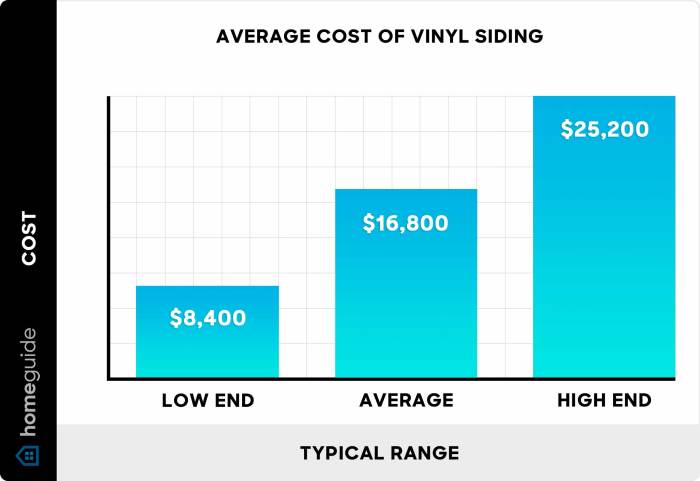
When it comes to the average cost breakdown of vinyl siding installation, it is essential to consider various components that contribute to the total cost. These components typically include material costs, labor costs, permit fees, and any additional features or customization options.
Understanding the breakdown of these costs can help homeowners better budget for their vinyl siding project.
Material Costs
Material costs for vinyl siding can vary depending on the quality and type of siding chosen. On average, homeowners can expect to pay between $2 to $7 per square foot for vinyl siding materials. Higher quality materials or specialty finishes may fall on the higher end of this price range.
Labor Costs
Labor costs are a significant factor in the total cost of vinyl siding installation. On average, homeowners can expect to pay between $2 to $5 per square foot for labor. Factors such as the complexity of the installation, accessibility of the property, and the contractor's experience can all impact labor costs.
Permit Fees
Permit fees are often required for vinyl siding installation, and these costs can vary depending on the location and the size of the project. On average, homeowners can expect to pay between $100 to $500 for permit fees. It's essential to check with local authorities to determine the specific permit requirements and associated costs.
Additional Features
Additional features such as insulation, trim work, or custom design elements can also impact the total cost of vinyl siding installation. These additional features can range from $500 to $2000 or more, depending on the complexity and scope of the project.Overall, the total cost of vinyl siding installation can vary significantly based on the location, size of the project, quality of materials, and additional features chosen.
It's essential for homeowners to obtain multiple quotes from reputable contractors and carefully consider all cost components to ensure a successful and budget-friendly vinyl siding project.
Cost Comparison with Other Siding Materials
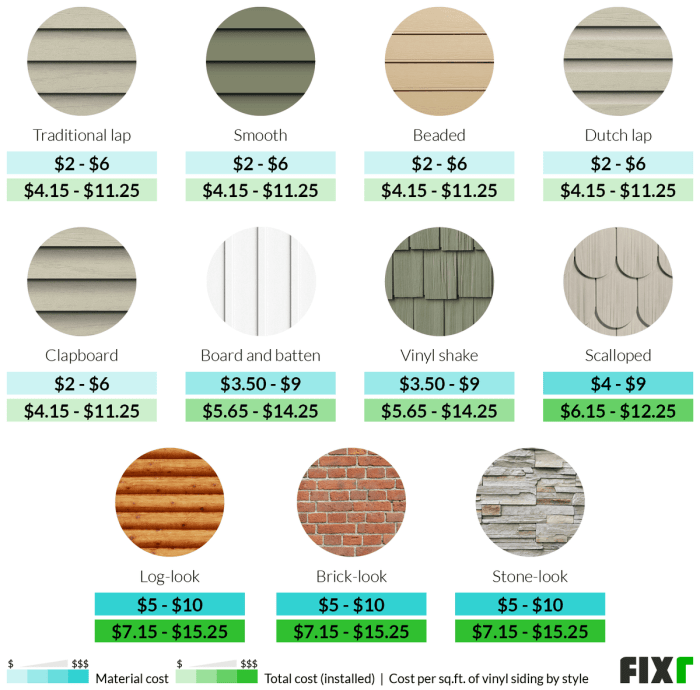
When considering siding options for your home, it's essential to compare the costs of different materials to make an informed decision. Let's take a look at how vinyl siding stacks up against other popular choices like wood, fiber cement, and metal
Wood Siding
Wood siding is known for its natural beauty and timeless appeal, but it comes with a higher price tag compared to vinyl siding. The average cost of wood siding can range from $6 to $10 per square foot, making it a more expensive option upfront.
However, wood siding requires regular maintenance, including painting or staining every few years, which can add to its long-term costs.
Fiber Cement Siding
Fiber cement siding is a durable and low-maintenance option that offers the look of wood without the high costs. The average cost of fiber cement siding falls in the range of $5 to $12 per square foot, depending on the brand and quality.
While fiber cement siding may have a higher upfront cost than vinyl, it is known for its longevity and minimal maintenance requirements.
Metal Siding
Metal siding, such as aluminum or steel, is a durable and weather-resistant option that can be cost-effective. The average cost of metal siding is around $4 to $8 per square foot, making it a more affordable choice compared to some other materials.
However, metal siding may dent or scratch more easily than vinyl or fiber cement, requiring occasional repairs or replacements.In conclusion, while vinyl siding may have a lower initial cost compared to wood or fiber cement, it is important to consider the long-term maintenance expenses and durability of each material.
Ultimately, the best siding option for your home will depend on your budget, aesthetic preferences, and maintenance capabilities.
Tips for Cost-Effective Vinyl Siding Installation
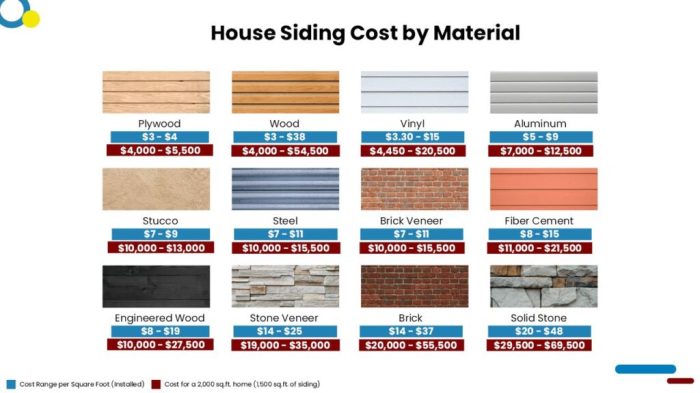
When it comes to installing vinyl siding, there are several ways homeowners can save money and reduce overall costs. By following these practical tips, you can make the most of your budget and get quality results for your home.
Obtain Multiple Quotes
Before you start the installation process, it's essential to get quotes from multiple contractors. This will give you a better understanding of the average cost in your area and help you negotiate for a better deal.
Negotiate with Contractors
Don't be afraid to negotiate with contractors to get the best price for your vinyl siding installation. Many contractors are willing to work with you on pricing, especially if you're getting multiple quotes and can show them competitive offers.
Explore Financing Options
If the upfront cost of vinyl siding installation is a concern, consider exploring financing options. Many contractors offer financing plans that can help you spread out the cost over time, making it more manageable for your budget.
DIY Installation vs. Hiring Professionals
While DIY installation may seem like a cost-saving option, it's essential to consider the quality of work you'll get. Hiring professionals ensures that the siding is installed correctly and can save you money in the long run by avoiding costly repairs due to mistakes.
Last Point
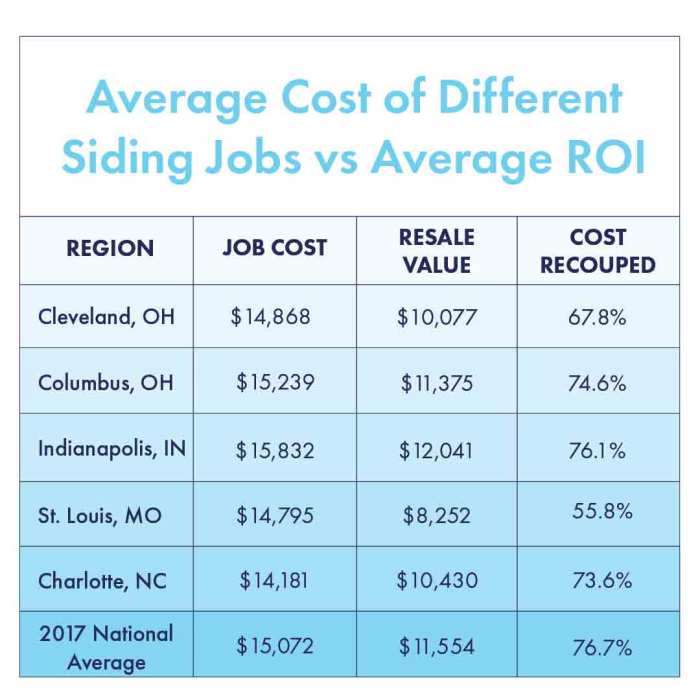
In conclusion, the world of vinyl siding costs is a dynamic and multifaceted one, where homeowners navigate through various decisions to achieve the perfect balance between quality and affordability. As we bid adieu to this discussion, we are reminded of the importance of informed choices and strategic planning when embarking on home improvement projects.
FAQ Insights
What factors influence the cost of vinyl siding installation?
Key factors include material quality, style choices, home size, and additional features like insulation and labor costs.
How does the average cost of vinyl siding compare to other materials?
Vinyl siding is often more cost-effective compared to materials like wood, fiber cement, and metal.
What are some tips for reducing the cost of vinyl siding installation?
Homeowners can save money by obtaining multiple quotes, negotiating with contractors, and exploring financing options. DIY installation can also be a cost-effective choice.