


When it comes to siding installation, the importance of hiring certified professionals cannot be overstated. From guaranteeing quality workmanship to ensuring customer satisfaction, certified siding installers bring a level of expertise that sets them apart. Let's delve into the world of certified siding installers and explore the benefits they offer.
Importance of Hiring Certified Siding Installers
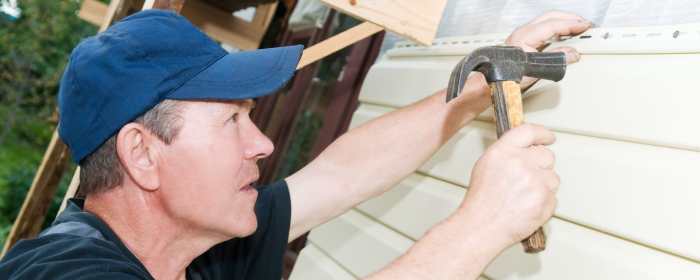
Certification in the siding installation industry holds significant importance as it serves as a validation of a professional's expertise and skills in the field. When hiring certified siding installers, clients can have peace of mind knowing that the individuals working on their property have undergone rigorous training and met specific industry standards.
Benefits of Choosing Certified Professionals
- Certified siding installers have received specialized training in the latest techniques and best practices, ensuring that the installation is done correctly and efficiently.
- By hiring certified professionals, clients can expect a higher level of craftsmanship and attention to detail, leading to a superior finished product that enhances the aesthetic appeal and durability of the property.
- Certification also signifies a commitment to ongoing education and staying updated on industry trends, guaranteeing that the installers are equipped to handle any challenges that may arise during the project.
Examples of Certification Ensuring Quality Workmanship
- One example of how certification ensures quality workmanship is through the use of premium materials and proper installation techniques, resulting in a long-lasting and weather-resistant siding that protects the home.
- Certified siding installers are trained to identify potential issues early on and address them effectively, preventing future damage and costly repairs for the homeowners.
- Customer satisfaction is also a key focus for certified professionals, as they strive to exceed expectations and deliver results that meet or exceed industry standards, leading to positive reviews and referrals for their services.
Training and Education Requirements
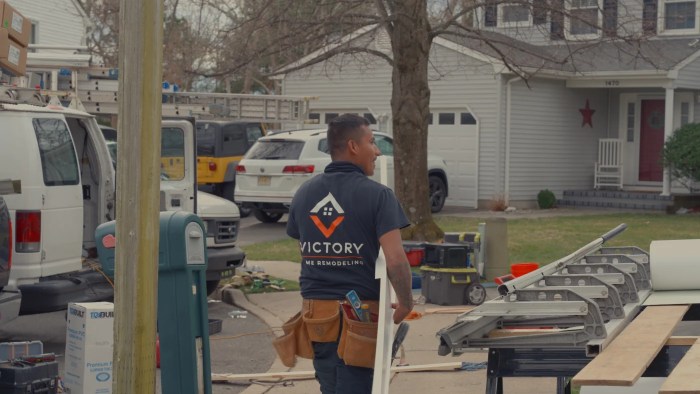
Certified siding installers undergo specific training programs and courses to ensure they have the necessary skills and knowledge to perform high-quality installations.
Training Programs and Courses
- Hands-on training: Certified siding installers typically participate in hands-on training programs where they learn proper installation techniques and best practices.
- Manufacturer-specific training: Many siding manufacturers offer training programs to certified installers to familiarize them with specific products and installation methods.
- Safety training: It is essential for siding installers to undergo safety training to prevent accidents and ensure a secure work environment.
Educational Background
- High school diploma or equivalent: Most certified siding installers have a high school diploma or equivalent to demonstrate basic education and communication skills.
- Apprenticeship programs: Some siding installers may complete apprenticeship programs to gain hands-on experience and learn from experienced professionals in the field.
Importance of Ongoing Education
Continuing education and skill development are crucial for certified siding installers to stay updated on the latest industry trends, technologies, and techniques.
- Advanced training: Ongoing education can include advanced training courses to enhance skills and knowledge in specific areas of siding installation.
- Certification renewal: Many certification programs require installers to renew their certifications periodically, which often involves completing additional training or education.
- Adapting to new materials: With advancements in siding materials, ongoing education helps installers stay informed about new products and how to properly install them.
Skills and Expertise

Certified siding installers possess a unique set of skills and expertise that set them apart from non-certified installers. These professionals undergo rigorous training and education to ensure they are equipped with the knowledge and abilities necessary to deliver high-quality results.
Specific Skills and Expertise
- Proficiency in reading and interpreting blueprints and technical drawings.
- Knowledge of different siding materials and their specific installation requirements.
- Expertise in using specialized tools and equipment for siding installation.
- Understanding of building codes and regulations related to siding installation.
- Ability to accurately measure and cut siding materials for a precise fit.
- Skill in sealing and weatherproofing siding to prevent water damage.
Comparison with Non-Certified Installers
Certified siding installers typically have a deeper understanding of industry standards and best practices compared to non-certified installers. They are trained to identify potential issues before they arise and can provide solutions efficiently. Additionally, certified installers often have access to advanced training and resources that non-certified installers may not have.
Techniques and Best Practices
- Proper preparation of the work area to ensure a clean and safe environment.
- Careful handling and installation of siding materials to prevent damage.
- Attention to detail in aligning and securing siding for a professional finish.
- Thorough inspection of the completed installation to ensure quality and durability.
- Effective communication with clients to address any concerns or questions throughout the process.
Certification Process
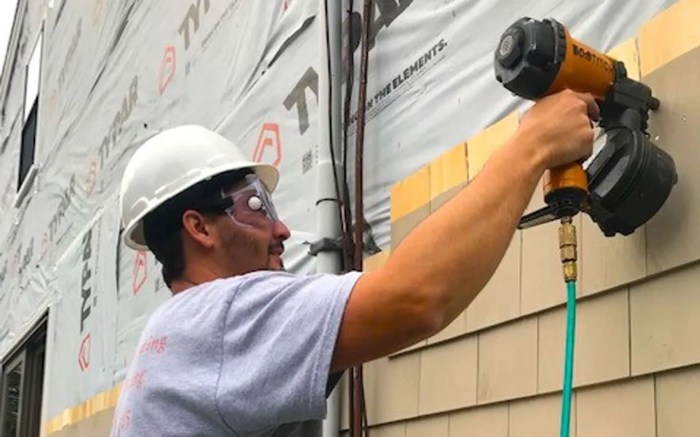
Becoming a certified siding installer involves following specific steps and meeting certain requirements to ensure proficiency and quality in the installation process. Let's explore the certification process in detail.
Certification Steps
To become a certified siding installer, individuals typically need to complete the following steps:
- Gain relevant work experience: Before pursuing certification, candidates are usually required to have a certain amount of hands-on experience in siding installation. This experience helps individuals develop the necessary skills and expertise needed for the certification process.
- Complete training and education requirements: As mentioned earlier, completing training programs and educational courses in siding installation is crucial for gaining the knowledge and skills required for certification.
- Apply for certification: Once the necessary experience and education requirements are met, candidates can apply for certification through recognized organizations that offer siding installation certification programs.
- Pass exams or assessments: Depending on the certifying body, individuals may need to pass written exams, practical assessments, or both to demonstrate their proficiency in siding installation techniques and best practices.
- Maintain certification: To keep their certification valid, siding installers may need to participate in ongoing education and training to stay updated on industry standards and advancements.
Certification Organizations
Several organizations offer certification in siding installation, including:
- Vinyl Siding Institute (VSI): VSI provides certification programs for siding installers that focus on proper installation techniques and industry standards.
- National Association of Home Builders (NAHB): NAHB offers certification programs for professionals in the home building industry, including siding installers.
- Manufacturers: Some siding manufacturers offer certification programs for installers who work specifically with their products, ensuring proper installation and warranty compliance.
Final Review
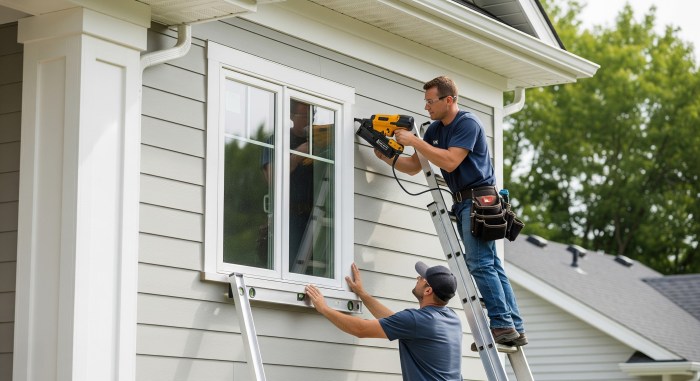
In conclusion, certified siding installers play a crucial role in delivering top-notch services and ensuring customer peace of mind. By choosing certified professionals, you're not just investing in your property, but also in the assurance of quality work. Make the wise choice and opt for certified siding installers for your next project.
Essential Questionnaire
What is the significance of certification in the siding installation industry?
Certification ensures that installers have met specific standards of expertise and professionalism, guaranteeing high-quality work.
What training programs do certified siding installers typically undergo?
Certified siding installers usually participate in specialized training programs that cover various aspects of siding installation techniques and best practices.
How do certified siding installers differ from non-certified ones?
Certified installers possess a verified skill set and follow industry best practices, ensuring superior results compared to non-certified installers.