


As damaged siding repair takes center stage, this opening passage beckons readers into a world crafted with good knowledge, ensuring a reading experience that is both absorbing and distinctly original.
Siding is a crucial element of any building's exterior, providing protection and aesthetic appeal. However, over time, it can suffer damage from various factors. Understanding the types of damage, inspection methods, repair techniques, and cost considerations is essential in maintaining the integrity of your property.
Let's delve into the world of damaged siding repair to uncover valuable insights and solutions.
Overview of Damaged Siding Repair
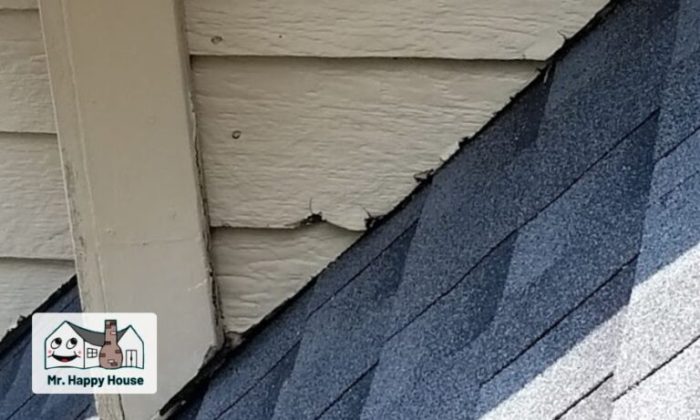
When it comes to damaged siding repair, it is crucial to understand what constitutes damaged siding, the common causes behind it, and the importance of addressing the issue in a timely manner.
What is Damaged Siding?
Damaged siding refers to any form of impairment or deterioration on the exterior cladding of a building. This can include cracks, holes, warping, fading, or any other signs of wear and tear that compromise the integrity and aesthetics of the structure.
Common Causes of Damaged Siding
- Weather Exposure: Prolonged exposure to harsh weather conditions such as rain, wind, and sunlight can cause siding to deteriorate over time.
- Pest Infestation: Insects and rodents can infiltrate siding materials, causing damage from the inside out.
- Poor Installation: Incorrect installation of siding can lead to premature damage and the need for repairs.
- Aging: As siding materials age, they become more susceptible to cracking, fading, and other forms of damage.
Importance of Timely Repair
Timely repair of damaged siding is essential to prevent further deterioration of the structure and to maintain the overall curb appeal and value of the property. Neglecting damaged siding can lead to more extensive and costly repairs down the line, making it crucial to address the issue promptly.
Types of Siding Damage
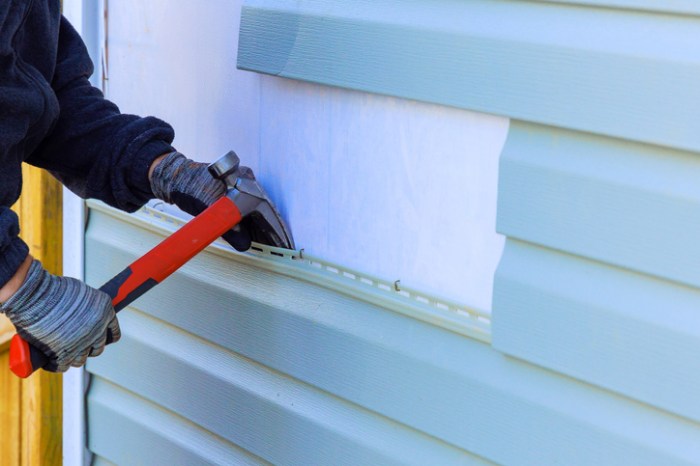
When it comes to siding damage, there are various types that can occur, ranging from minor issues to severe problems. Each type of damage can impact the functionality and overall appearance of the siding.
Cracks
Cracks in siding can be caused by various factors such as extreme weather conditions, impact from debris, or poor installation. While minor cracks may not affect the functionality of the siding, severe cracks can lead to water infiltration and further damage to the structure.
Holes
Holes in siding are often a result of pests, such as woodpeckers or insects, or accidental damage from tools or equipment. Small holes may not cause significant issues, but larger holes can compromise the integrity of the siding and allow moisture to seep in, leading to mold or rot.
Warping
Warping occurs when the siding panels become distorted or bent, usually due to exposure to heat or moisture. Minor warping may not impact the functionality of the siding, but severe warping can affect the insulation properties of the material and reduce its lifespan.
Peeling Paint
Peeling paint on siding is a common issue that can occur over time due to exposure to the elements. While minor peeling may be purely cosmetic, extensive peeling can expose the siding to moisture and lead to deterioration of the material.
Mold and Mildew
Mold and mildew growth on siding is often a sign of excess moisture and poor ventilation. While minor mold spots can be cleaned, severe infestations can cause health hazards and structural damage if left untreated.
Loose or Missing Panels
Loose or missing siding panels can be caused by improper installation, age, or severe weather conditions. While a few loose panels may not impact the functionality of the siding, missing panels can expose the underlying structure to the elements, leading to further damage.
Inspection and Assessment
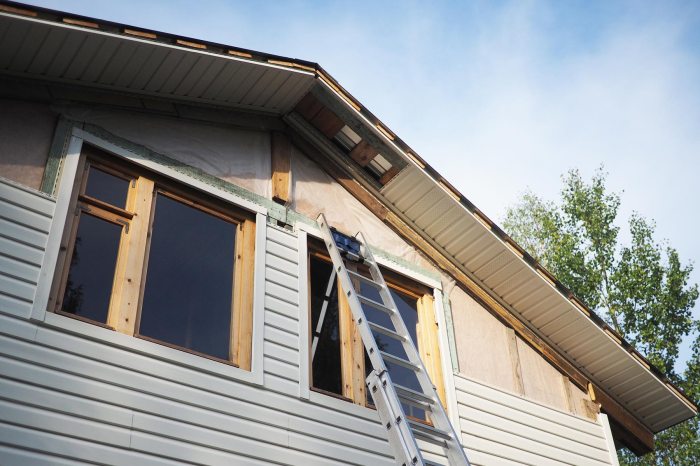
Inspecting and assessing the damage to your siding is a crucial step in the repair process. By thoroughly examining the siding, you can identify the extent of the damage and determine the best course of action to fix it.
How to Inspect Siding for Damage
- Start by visually inspecting the siding for any cracks, holes, warping, or discoloration.
- Check for signs of moisture damage, such as mold, mildew, or rot.
- Gently press on the siding to see if it feels soft or spongy, which could indicate water damage.
- Look for any signs of insect infestation or nesting animals.
The Importance of a Thorough Assessment
A thorough assessment of the siding damage is essential to ensure that all issues are properly addressed during the repair process. By identifying the root cause of the damage, you can prevent future problems and prolong the lifespan of your siding.
Tools Needed for a Proper Inspection
- A ladder to access higher areas of the siding.
- A flashlight to inspect dark or shaded areas.
- A moisture meter to detect hidden water damage.
- A screwdriver or probing tool to check for soft spots or rot.
Repair Methods
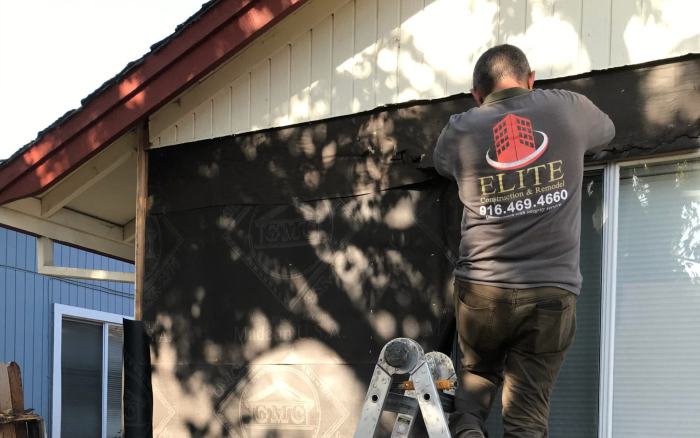
When it comes to repairing damaged siding, there are different methods depending on the extent of the damage. Minor damage can often be fixed with simple DIY solutions, while major damage may require professional repair services.
Repairing Minor Damage
- Start by cleaning the damaged area to remove any dirt or debris.
- Use a putty knife to apply exterior caulk to small cracks or holes.
- If there are loose or missing pieces of siding, secure them back in place with nails or screws.
- Patch up any minor holes with a siding patch kit, following the manufacturer's instructions.
- Paint over the repaired area to match the rest of the siding for a seamless finish.
Fixing Major Damage
- Assess the extent of the damage and determine if the siding needs to be replaced entirely or if sections can be repaired.
- Remove the damaged sections carefully, making sure not to cause further harm to the surrounding siding.
- Install new siding pieces, ensuring they are properly aligned and securely fastened.
- Seal the seams and edges to prevent moisture from seeping in and causing further damage.
- Paint or stain the new siding to match the existing color and finish for a cohesive look.
DIY Repairs vs. Professional Siding Repair Services
- DIY repairs can be cost-effective for minor damage and can often be completed quickly with the right tools and materials.
- Professional siding repair services are recommended for major damage or if you are not comfortable working at heights or handling power tools.
- Professionals have the expertise and experience to assess the damage accurately and provide a long-lasting solution.
- While DIY repairs can save money, professional services ensure a high-quality repair that will stand the test of time.
Materials and Tools
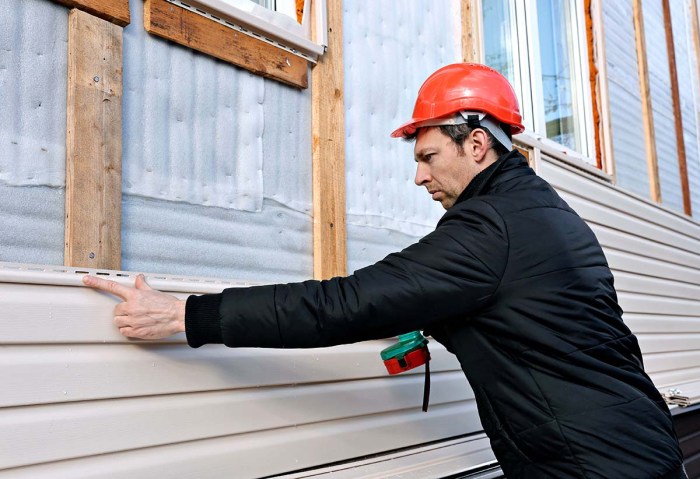
When it comes to repairing damaged siding, having the right materials and tools is essential to ensure a successful outcome. Using high-quality materials and the appropriate tools can make the repair process more efficient and effective.
Common Materials Required
- Siding panels or pieces: These are necessary to replace any damaged or missing siding sections.
- Caulk or sealant: Used to seal gaps and prevent moisture from seeping behind the siding.
- Nails or screws: Essential for securing the new siding in place.
- Paint or siding finish: To match the repaired area with the rest of the siding for a seamless look.
Purpose of Each Tool
- Hammer or nail gun: Used to secure the siding panels in place with nails or screws.
- Siding removal tool: Helps in safely removing damaged siding pieces without causing further damage.
- Caulking gun: Used to apply caulk or sealant to fill in gaps and cracks in the siding.
- Pry bar: Assists in gently removing siding panels without causing damage to the surrounding area.
- Saw: Necessary for cutting siding panels to fit the required dimensions during repairs.
Importance of Using High-Quality Materials
Using high-quality materials is crucial in ensuring the longevity and durability of the repaired siding. Inferior materials may deteriorate quickly, leading to the need for frequent repairs and additional costs in the long run. High-quality materials also provide better protection against the elements, maintaining the integrity of the siding over time.
Cost Considerations
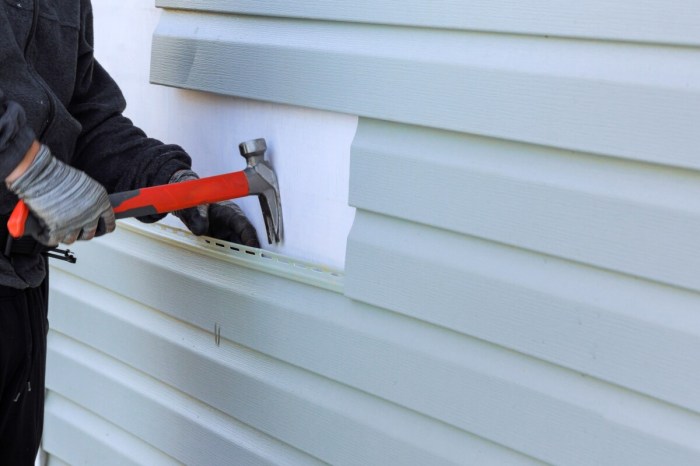
When it comes to repairing damaged siding, cost considerations play a significant role in determining the overall expense of the project. Various factors can influence the cost of siding repair, including the extent of the damage, the type of siding material, the labor involved, and the additional materials needed for the repair.
Extent of Damage Impact
- The extent of damage directly impacts the repair costs. Minor damages such as small cracks or holes can usually be repaired with simple patching and painting, which tends to be more cost-effective.
- On the other hand, extensive damage that requires replacing entire sections of siding or addressing structural issues can significantly increase the overall repair costs.
Tips for Cost-Effective Solutions
- Consider repairing small damages promptly to prevent them from escalating into more significant issues that could be more costly to fix in the long run.
- Explore different repair methods and materials to find cost-effective solutions that suit your budget without compromising on quality.
- Get multiple quotes from reputable siding repair contractors to compare prices and choose a service provider that offers a competitive rate without sacrificing the quality of work.
- Regular maintenance and inspections can help identify potential issues early on, allowing you to address them before they become costly repair projects.
Closing Summary
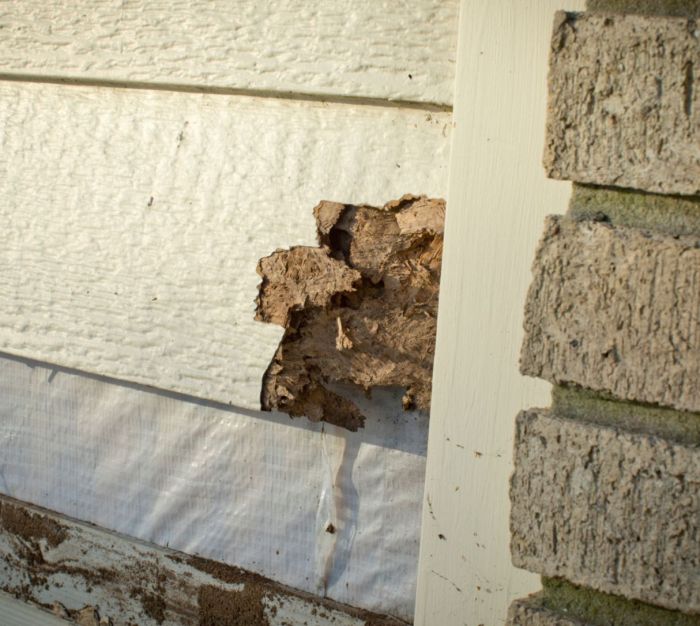
In conclusion, addressing damaged siding promptly and effectively is key to preserving the beauty and functionality of your property. By being proactive and informed about the repair process, you can ensure long-lasting results and a well-maintained exterior. Armed with the knowledge from this guide, you are ready to tackle any damaged siding issues that may arise with confidence and expertise.
Essential FAQs
What are the common causes of damaged siding?
Common causes include weather exposure, impact from objects, moisture infiltration, and improper installation.
How can I inspect my siding for damage?
You can visually inspect for cracks, holes, warping, or discoloration. Additionally, tapping on the siding can help identify any hollow areas that indicate damage.
Is it better to repair siding damage DIY or hire a professional?
DIY repairs are suitable for minor damage, but for major issues or if you're unsure, it's best to seek professional siding repair services to ensure quality and lasting results.