


Delving into the realm of house siding cost, this introduction sets the stage for an informative journey ahead. From the various factors influencing costs to the popular siding materials and installation considerations, this guide offers a comprehensive look at all you need to know.
As we navigate through the intricacies of house siding costs, you'll discover valuable insights to guide you through your next home improvement project.
Factors Affecting House Siding Cost
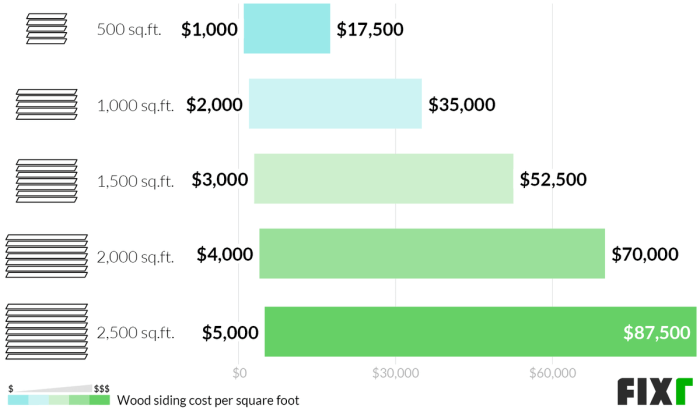
When considering the cost of siding for your house, several factors come into play that can influence the overall price. These factors include the type of siding material chosen, the size of the house, the complexity of the house design, location, and labor costs.
Types of Siding Materials and Cost Range
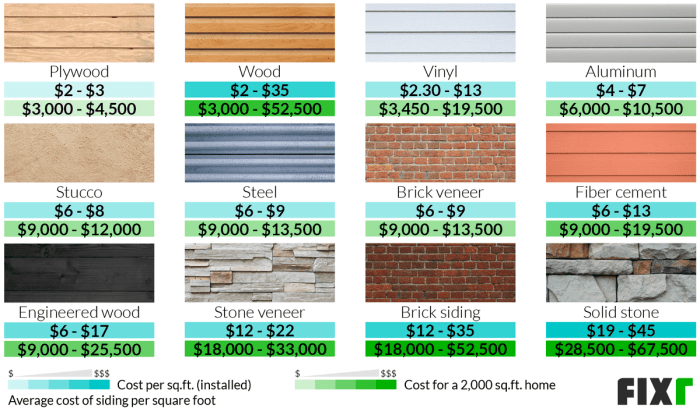
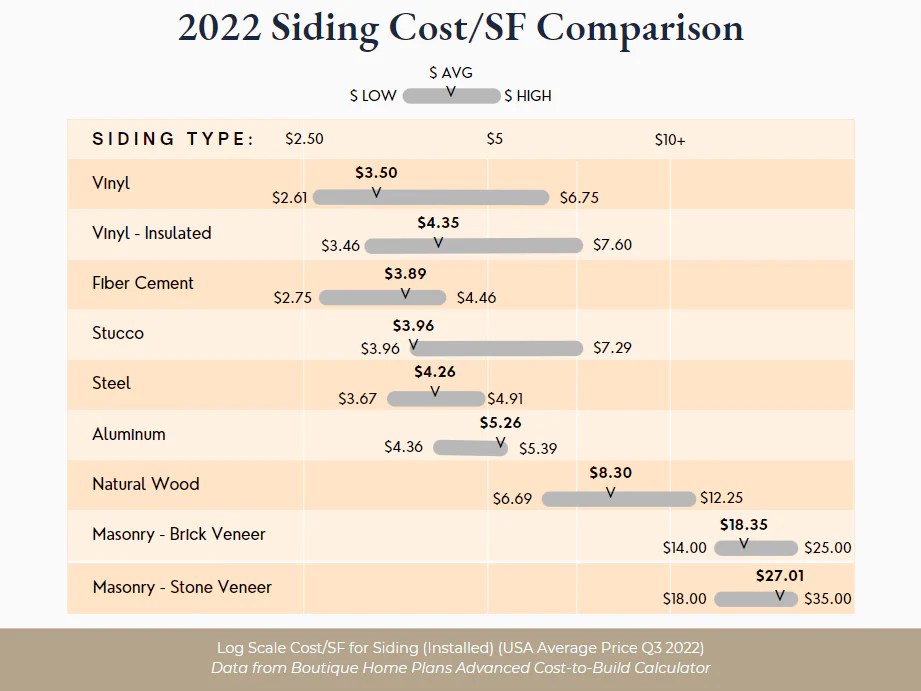
There are various siding materials available in the market, each with its own cost range. Here are some common types of siding materials along with their approximate cost per square foot:
- Vinyl Siding: $2 - $7 per square foot
- Fiber Cement Siding: $5 - $12 per square foot
- Wood Siding: $6 - $15 per square foot
- Brick Siding: $8 - $15 per square foot
Size of the House
The size of the house directly impacts the overall siding cost. Larger houses require more materials, resulting in higher costs. For example, a smaller house with less square footage will naturally cost less to side compared to a larger house with more square footage.
Complexity of House Design
The complexity of the house design, such as the number of corners, angles, and architectural details, can increase the labor and material costs. A simple, rectangular house will generally be less expensive to side compared to a house with multiple levels, dormers, or intricate designs.
Location and Labor Costs
The location of the house plays a role in determining the siding cost, as labor costs can vary depending on the region. Areas with higher living costs and wages may have higher labor costs for siding installation. Additionally, the accessibility of the house and local building codes can also impact the overall cost.
Popular Siding Materials
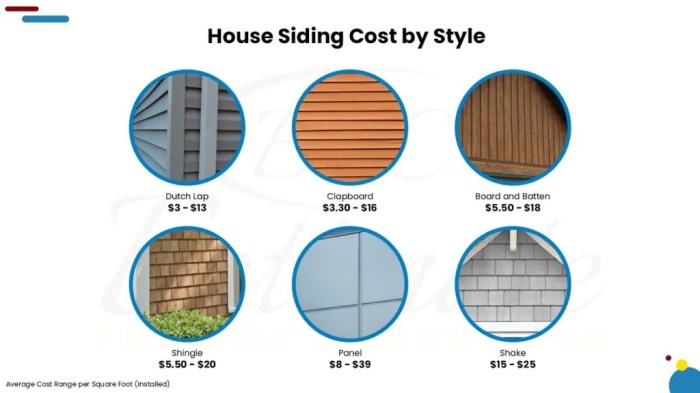
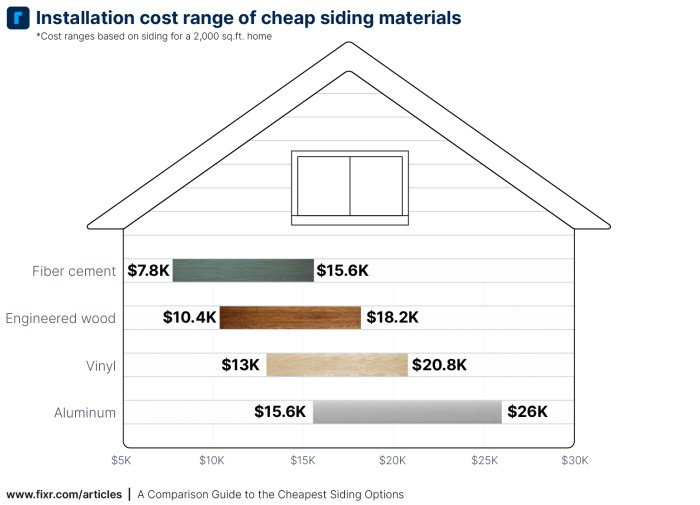
When it comes to choosing the right siding material for your home, there are several options available, each with its own unique characteristics and costs. Let's compare the cost, durability, maintenance requirements, aesthetic appeal, customization options, and energy efficiency benefits of vinyl, wood, fiber cement, and metal siding options.
Vinyl Siding
Vinyl siding is a popular choice for homeowners due to its affordability. It is one of the most cost-effective options available on the market. In terms of durability, vinyl siding is known for its resistance to rot, moisture, and insect damage.
It requires minimal maintenance, usually just needing a yearly wash with a hose. Vinyl siding comes in a wide range of colors and styles, offering plenty of customization options. While it may not be as eco-friendly as other materials, insulated vinyl siding can improve energy efficiency by providing better insulation for your home.
Wood Siding
Wood siding exudes a natural and timeless beauty, but it comes at a higher cost compared to vinyl siding. While wood siding is durable, it requires regular maintenance such as painting or staining to prevent rot and insect damage. The aesthetic appeal of wood siding is unmatched, and it allows for a high level of customization in terms of color and texture.
Wood siding also offers good insulation properties, contributing to energy efficiency in your home.
Fiber Cement Siding
Fiber cement siding is a versatile option that combines the durability of cement with the appearance of wood. It falls in the mid-range in terms of cost, offering a good balance between affordability and quality. Fiber cement siding is highly durable, resistant to rot, fire, and insects.
Maintenance requirements are low, with occasional painting or caulking needed. This type of siding comes in various textures and colors, providing customization options to suit your preferences. Fiber cement siding also offers good insulation, helping improve energy efficiency in your home.
Metal Siding
Metal siding is a durable and low-maintenance option that can be more expensive upfront. However, its long lifespan and minimal maintenance needs make it a cost-effective choice in the long run. Metal siding is resistant to fire, rot, and insects, making it a durable option for your home.
While it may not offer as many customization options in terms of appearance, metal siding can be painted in various colors. Metal siding is also energy-efficient, reflecting heat away from your home and helping to reduce energy costs.
Labor Costs and Installation Factors
Labor costs are a significant part of the overall house siding project budget. They are usually calculated based on the square footage of the area to be covered with siding. The complexity of the project, the type of siding material, and the location of the house can also influence labor costs.
Importance of Professional Installers
Professional installers have the experience and expertise to ensure that the siding is installed correctly and efficiently. Hiring professionals can help prevent costly mistakes and ensure that the siding is properly sealed and secured, providing long-lasting protection for your home.
Factors Affecting Installation Time
Several factors can affect the time required for siding installation, including the size of the project, the condition of the existing siding, weather conditions, and the accessibility of the work area. Additionally, the type of siding material chosen can impact the installation time, as some materials are more labor-intensive to install than others.
Tips for Reducing Labor Costs
- Get multiple quotes from different contractors to compare prices and services.
- Opt for off-peak seasons for siding installation when contractors may offer discounts.
- Consider bundling other home improvement projects with siding installation to potentially negotiate a better overall price.
- Clear the work area of any obstacles or debris to facilitate the installation process and reduce labor time.
- Communicate clearly with the contractor about your budget constraints and explore cost-saving options without compromising on the quality of work.
Additional Costs to Consider
When budgeting for a house siding project, it's crucial to take into account potential additional costs that may arise. These extra expenses can impact the overall cost of the project and should not be overlooked. Here are some key factors to consider:
Permits
Obtaining permits for your siding project is often required by local building codes. The cost of permits can vary depending on your location and the extent of the project. It's essential to factor in permit fees when budgeting for your siding installation.
Disposal of Old Siding
Removing and disposing of the old siding can also add to the overall cost of the project. Whether you choose to do it yourself or hire a professional, this expense should be considered in your budget. Disposal fees may vary based on the type and amount of old siding being removed.
Repairs
During the siding installation process, unexpected repairs may be needed, such as fixing underlying structural issues or water damage. Including a contingency fund in your budget for unforeseen repairs can help prevent budget overruns and ensure the project stays on track.
Trim, Insulation, and Accessories
The choice of trim, insulation, and accessories can significantly impact the overall cost of your siding project. Higher-quality materials and additional features will increase the total cost. It's essential to carefully consider your options and prioritize based on your budget and needs.
Effective Budgeting
To budget effectively for a house siding project, start by obtaining multiple quotes from reputable contractors. Compare the costs and scope of work included in each quote to make an informed decision. Consider all potential additional costs and add a buffer for contingencies to avoid any financial surprises during the project.
Ending Remarks
Wrapping up our discussion on house siding cost, we've covered the essentials of budgeting, material options, and labor considerations. Armed with this knowledge, you're better equipped to make informed decisions for your home renovation endeavors.
FAQ Compilation
What factors can affect house siding cost?
Factors like the type of siding material, house size, complexity of design, location, and labor costs all play a role in determining the overall cost.
How do I calculate labor costs for a siding project?
Labor costs are typically calculated based on the square footage of the project and the hourly rate of the installers. It's important to get quotes from multiple professionals to compare prices.
What are some additional costs to consider aside from material and labor?
Additional costs may include permits, disposal of old siding, repairs, as well as trim, insulation, and accessories. It's essential to budget for these extras to avoid any surprises.