


Delving into the realm of vinyl siding cost per square foot, this introductory section aims to provide a captivating overview of the topic, shedding light on key aspects that influence pricing and installation.
As we navigate through the details, you'll uncover valuable insights into the factors affecting costs and the comparative analysis with other popular siding materials.
Vinyl Siding Overview
When it comes to cladding options for homes, vinyl siding is a popular choice due to its durability, low maintenance, and versatility.
Let's explore the advantages of using vinyl siding and the different styles and colors available:
Advantages of Vinyl Siding
- Low Maintenance: Vinyl siding is easy to clean and does not require painting, saving time and money on upkeep.
- Durability: Vinyl siding is resistant to rot, rust, and pests, ensuring a long-lasting exterior for your home.
- Affordability: Vinyl siding is a cost-effective option compared to other materials like wood or brick.
- Versatility: With a wide range of colors and styles available, vinyl siding can suit various architectural designs and personal preferences.
Styles and Colors of Vinyl Siding
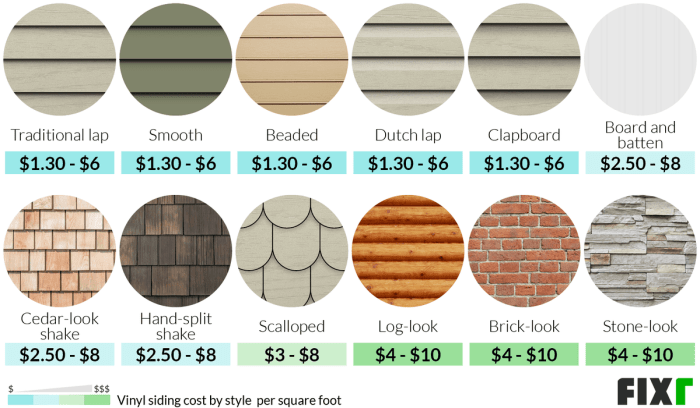
Vinyl siding comes in a variety of styles, including:
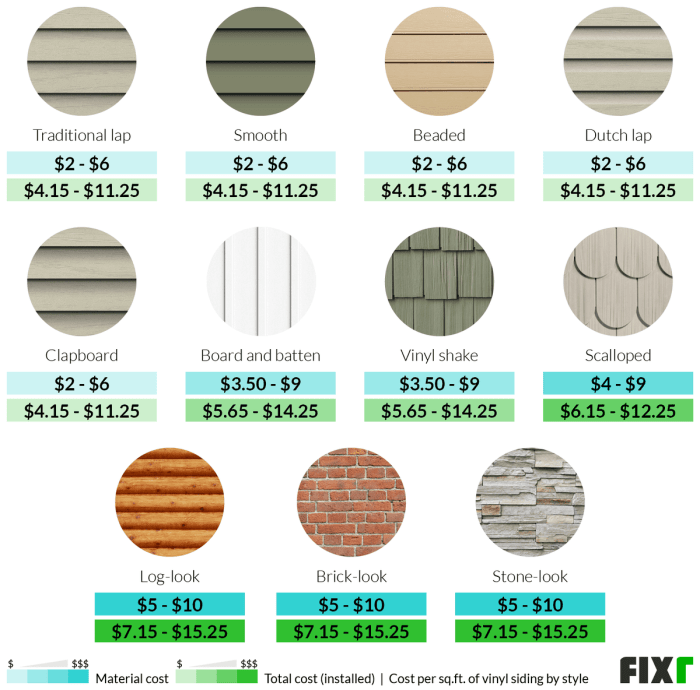
- Traditional lap siding
- Vertical panels
- Shake and shingle siding
- Scalloped and dutch lap designs
Additionally, there is a wide range of colors to choose from, allowing homeowners to customize the look of their homes to their liking.
Cost Factors
When considering the cost of vinyl siding per square foot, several factors come into play. These factors can significantly impact the overall price of the installation. Let's take a closer look at the main elements that influence vinyl siding costs.
Quality of Vinyl Siding
The quality of the vinyl siding material itself can have a substantial impact on the cost per square foot. Higher quality vinyl siding is typically more durable, fade-resistant, and has better insulation properties. As a result, premium vinyl siding options will come at a higher price point compared to lower quality alternatives.
It's essential to consider the long-term benefits and durability of the siding when evaluating the cost.
Additional Installation Costs
In addition to the cost of the vinyl siding material, there are several other expenses to consider when budgeting for a vinyl siding installation. These additional costs may include:
- Cost of labor: Hiring professional contractors for the installation can add to the overall cost. The complexity of the project, size of the house, and location can all affect labor costs.
- Additional materials: Depending on the specific needs of your home, you may require additional materials such as insulation, trim pieces, or accessories, which can increase the overall cost.
- Permit fees: Some areas may require permits for siding installations, which can incur additional costs.
- Removal of old siding: If you have existing siding that needs to be removed before installing the new vinyl siding, this process can add to the total cost.
- Customization options: Opting for custom colors, textures, or styles of vinyl siding may also increase the overall price.
These additional costs should be factored into your budget when planning for a vinyl siding installation to ensure an accurate estimate of the total expenses involved.
Average Cost Analysis
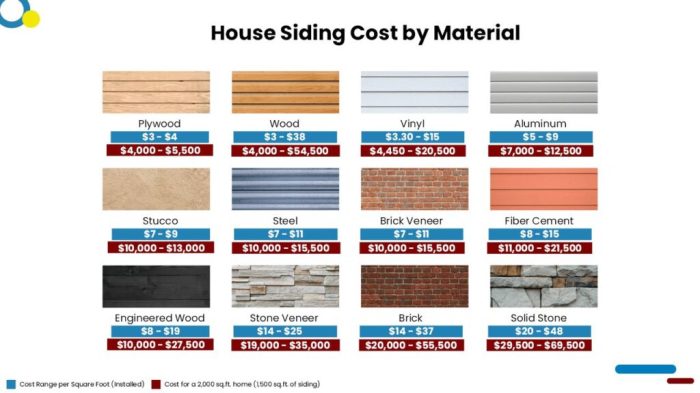
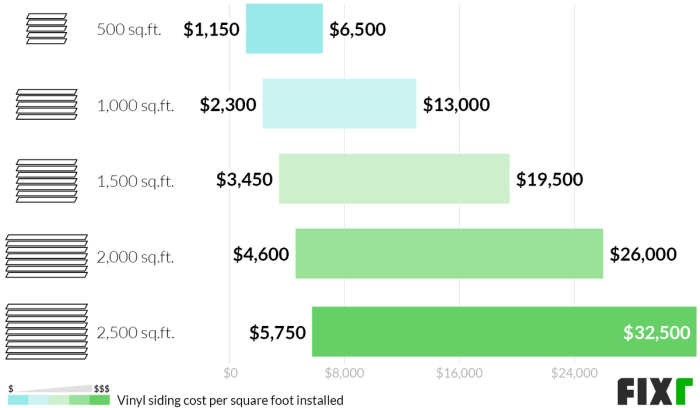
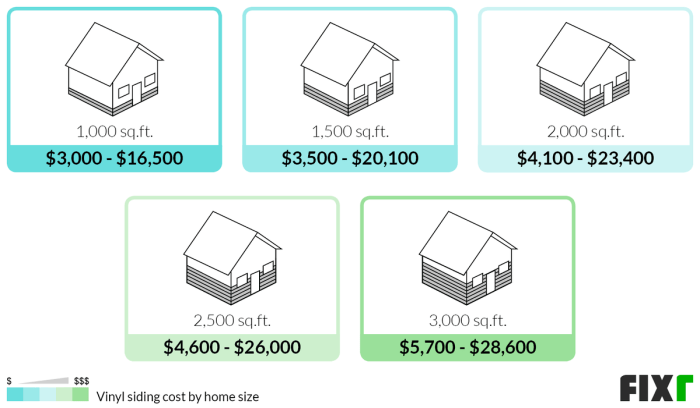
When it comes to vinyl siding, the average cost per square foot can vary depending on various factors such as quality, style, and location. On average, the cost of vinyl siding ranges from $3 to $7 per square foot, including installation.
Comparison with Other Siding Materials
- Vinyl siding is generally more affordable compared to other siding materials like wood or fiber cement. Wood siding can cost anywhere from $6 to $12 per square foot, while fiber cement siding can range from $5 to $12 per square foot.
- Despite being cost-effective, vinyl siding offers durability and low maintenance, making it a popular choice among homeowners.
Regional Variations in Costs
- Regional variations can also impact the cost of vinyl siding. For instance, areas with higher labor costs or high demand for vinyl siding may see higher prices per square foot.
- Certain regions may have specific regulations or requirements for siding installation, which can also affect the overall cost of the project.
Installation Process
When it comes to installing vinyl siding, there are several key steps involved in the process. From preparing the surface to securing the panels, each step plays a crucial role in ensuring a proper installation. Let's dive into the details of the installation process and labor costs associated with vinyl siding.
Key Steps in Vinyl Siding Installation
- Preparation of the Surface: Before installing vinyl siding, it is essential to prepare the surface by cleaning and inspecting it for any damage.
- Measurement and Cutting: Accurate measurements are taken to ensure the vinyl siding panels fit properly. The panels may need to be cut to the required size.
- Installing Starter Strips: Starter strips are installed at the base of the wall to provide a secure foundation for the first row of siding panels.
- Securing Panels: Each vinyl siding panel is secured to the wall using nails or clips, ensuring proper alignment and spacing between panels.
- Finishing Touches: J-channels, corner posts, and other accessories are installed to complete the look and ensure a professional finish.
Labor Costs and DIY Options
- Labor Costs: The cost of labor for installing vinyl siding can vary depending on factors such as the size of the project, location, and contractor rates. On average, labor costs can range from $1 to $3 per square foot.
- DIY Options: For those looking to save on installation costs, DIY installation of vinyl siding is a viable option. However, it requires proper tools, knowledge, and skills to ensure a successful installation.
Maintenance and Longevity
Proper maintenance plays a crucial role in enhancing the longevity of vinyl siding and ensuring cost-effectiveness over time. By following recommended care practices, homeowners can extend the lifespan of their vinyl siding and minimize the need for costly repairs or replacements.
Maintenance Requirements
- Regular cleaning: Wash vinyl siding with a mixture of water and mild detergent to remove dirt, grime, and mold buildup.
- Inspection: Periodically inspect the siding for any signs of damage, such as cracks, warping, or loose panels, and address issues promptly.
- Preventative measures: Trim vegetation around the siding to prevent damage from overgrowth and avoid placing hot objects near the siding to prevent melting.
- Repainting: While vinyl siding does not require painting, if repainting is desired, choose a compatible paint to refresh the appearance.
Impact on Cost-Effectiveness
Proper maintenance can significantly impact the overall cost-effectiveness of vinyl siding by reducing the need for frequent repairs or premature replacements. By investing time and effort in maintaining vinyl siding, homeowners can prolong its lifespan and maximize the value of their initial investment.
Lifespan Comparison
Vinyl siding is known for its durability and long lifespan, typically lasting 20 to 40 years with proper care. In comparison to other siding materials like wood or aluminum, vinyl siding often outlasts them due to its resistance to rot, insects, and moisture damage.
This longevity makes vinyl siding a cost-effective choice for homeowners looking for a durable and low-maintenance siding option.
Wrap-Up
Wrapping up our discussion on vinyl siding cost per square foot, we've unraveled the intricacies of pricing, installation, maintenance, and longevity. Armed with this knowledge, you're now equipped to make informed decisions about your siding needs.
FAQ Summary
What factors influence the cost of vinyl siding per square foot?
The main factors include quality of materials, labor costs, additional features, and regional pricing variations.
How does the longevity of vinyl siding compare to other materials?
Vinyl siding typically lasts 20-40 years, outlasting wood and fiber cement options.
Are there DIY options available for vinyl siding installation?
While professional installation is recommended, some DIY enthusiasts can tackle vinyl siding projects with proper tools and knowledge.